In 2016, the BBC science series Horizon broadcast E-Cigarettes: Miracle or Menace?, presented by Michael Mosley. Its title captured the argument of the time: could e-cigarettes help adults who smoke move away from combustion, or were they creating a new set of risks that science did not yet understand?
A decade later, the documentary remains useful as a record of how researchers approached those questions. It should not, however, be treated as the final word. This guide separates what the programme showed in 2016 from what the evidence says in 2026.
This article provides general information for adults and is not medical advice. Nicotine is addictive. People who do not smoke, young people and people who are pregnant should not start vaping. Laws differ by country and can change.
BBC documentary at a glance
- Programme: Horizon: E-Cigarettes: Miracle or Menace?
- First broadcast: BBC Two, 22 May 2016
- Presenter: Michael Mosley
- Runtime: approximately 60 minutes
- Main questions: what is in vape aerosol, what bystanders may be exposed to, how nicotine fits into the risk picture, and whether vaping can help people stop smoking
The programme details can be checked on the BBC programme page, the official BBC YouTube upload, and the Wellcome Collection catalogue record.
What did the documentary investigate?
1. Is vape aerosol the same as cigarette smoke?
The programme explained the basic difference between combustion and heating. A cigarette burns tobacco and produces smoke containing thousands of chemicals. An e-cigarette heats a liquid to form an aerosol. That aerosol is not simply harmless “water vapour,” but it is also not chemically identical to cigarette smoke.
One demonstration in the programme found far fewer of the toxicant signals seen in cigarette smoke in the e-cigarette sample being tested. The important qualification was that “fewer” does not mean “none.” Aerosol composition can vary with the device, liquid, power, temperature and user behaviour, so a test of one setup cannot certify every product.
2. Could vaping help adults stop smoking?
Horizon placed volunteers who smoked into different groups. These included people using e-cigarettes, people using conventional nicotine-replacement products, people attempting to stop without either, and people continuing to smoke. The programme followed them for four weeks and repeated several measurements.
Within the television experiment, 7 of 8 people in the e-cigarette group and 7 of 8 in the nicotine-replacement group remained abstinent from cigarettes at the four-week check. Measurements such as carbon monoxide fell among those who stopped smoking, regardless of the method used.
Those figures were interesting, but this was not a large clinical trial. The groups were small, the follow-up was short and the exercise was made for a television programme. It cannot predict long-term quit rates in the general population. Its strongest lesson was more basic: actually stopping combustible cigarettes is different from merely adding a vape while continuing to smoke.
3. Does vaping expose people nearby?
The documentary used a controlled chamber to compare what smoking and vaping released into the air. The results presented at the time suggested that second-hand exposure from the tested aerosol was not comparable to second-hand cigarette smoke, but it was not zero. Some nicotine and particles were still released.
The responsible conclusion is not that vaping is appropriate everywhere. Adults should respect people nearby, avoid vaping in enclosed shared spaces or around children, and follow local rules.
4. What happened when Michael Mosley vaped for a month?
Mosley, who did not smoke, used an e-cigarette daily for about a month and underwent a series of tests. This made the science easier to follow, but it remained a one-person observation. It could not establish long-term risk or prove the safety of a whole product category.
The more durable public-health point is that a person who does not smoke has no harm-reduction reason to start using nicotine. That remains consistent across current health guidance.
What has changed since 2016?
Devices in 2026 differ substantially from many products tested a decade earlier. Nicotine delivery, concentrations, pod systems, disposable formats, batteries, displays and flavours have all changed. Patterns of youth and adult use have changed too. Results from a 2016 product cannot simply be transferred to every modern device.
For smoking cessation, an August 2026 Cochrane update reported high-certainty evidence that nicotine e-cigarettes produced higher quit rates than nicotine-replacement therapy in the included studies—about four additional quitters per 100 people on average. The evidence concerns regulated nicotine products used in a cessation context. It should not be generalised to illicit liquids, unknown products or products containing other active substances.
The NHS says nicotine vaping is less harmful than smoking but is not risk-free, and that the full benefit comes from stopping cigarettes completely rather than continuing both.
The CDC frames the issue more cautiously: no tobacco product is safe; adults who smoke and are not pregnant may have the potential to benefit only when e-cigarettes are used as a complete substitute for smoked tobacco; youth, non-smokers and people who are pregnant should not use them.
The FDA also states that it has not approved any e-cigarette as a smoking-cessation aid. Permission for a tobacco product to be marketed in the United States is not the same as declaring it safe or approving it as a medicine.
“Less harmful” is not the same as “safe”
The comparison being made changes the answer:
- Compared with continuing to smoke cigarettes, completely moving away from combustion may reduce exposure to many toxicants.
- Compared with using neither cigarettes nor vapes, starting to vape creates avoidable exposure to nicotine and aerosol constituents.
- Using cigarettes and e-cigarettes together does not remove the risks of cigarette smoke. Smoking fewer cigarettes while continuing to smoke every day is not the same as stopping completely.
- The risk of a particular product also depends on its source, ingredients, battery condition, charging and use.
How should we interpret the BBC documentary today?
The programme did not deliver a simple “miracle” or “menace” verdict. Its real strength was separating questions that are often confused: absolute risk, risk relative to smoking, cessation effectiveness, bystander exposure and long-term uncertainty.
A reasonable 2026 interpretation is:
- The lowest-risk option is to use neither cigarettes nor e-cigarettes.
- Adults who smoke should prioritise stopping combustible cigarettes completely and seek support from a qualified health professional or stop-smoking service.
- Harm-reduction evidence should never be used to encourage young people or people who do not smoke to start vaping.
- Puff-count claims and advertising language are not enough to assess a product. Source, warnings, ingredients and device condition also matter.
For related background, read our guide to vaping versus smoking risk for adults and our explanation of how to compare devices beyond puff count.
Frequently asked questions
Did the BBC documentary say e-cigarettes are safe?
No. It showed that aerosol and combustion smoke create different exposures, while acknowledging uncertainty. It did not conclude that vaping was harmless.
Did the 7-out-of-8 result prove that vaping helps people quit?
No single television experiment can prove that. The sample was small and the follow-up lasted four weeks. Cessation claims should be judged using systematic reviews of multiple clinical trials, such as the Cochrane review.
Should a non-smoker copy Michael Mosley’s experiment?
No. The presenter’s one-person experiment was a storytelling and short-term observation device, not advice for people who do not smoke to begin using nicotine.
Why read newer evidence alongside a 2016 documentary?
Devices, nicotine delivery, patterns of use and the research base have all changed. The film explains the origin of the debate; current health decisions should rely on current evidence and local law.
Recommended Product
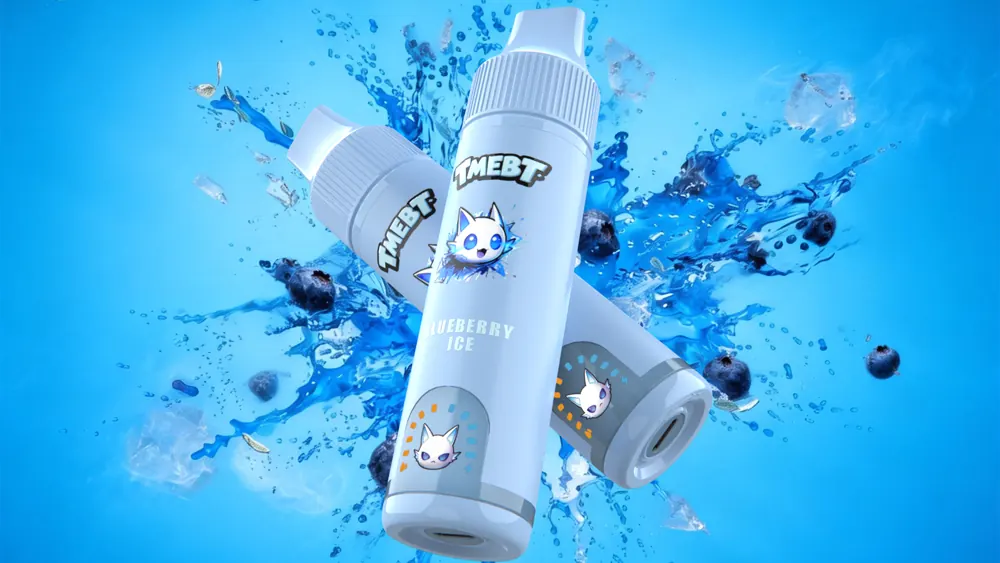
TMEBT 25K Disposable Pod — ฿450
Published and updated September 8, 2026